What it is
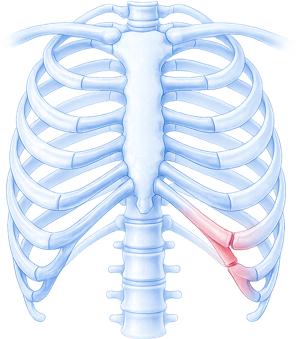
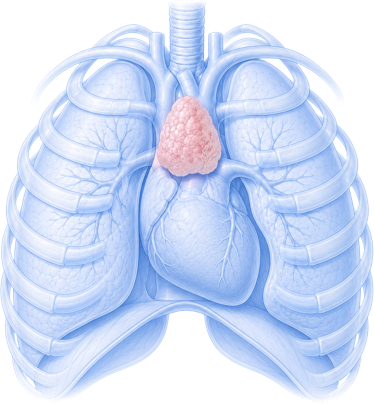
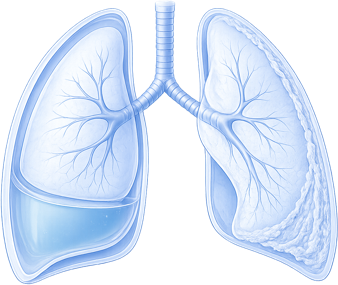
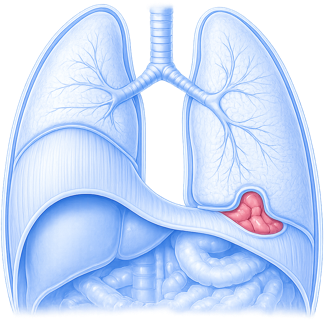
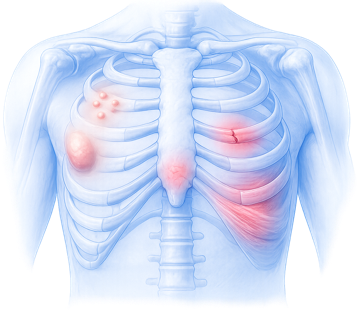
Chest wall problems can develop following an injury or previous surgery, or sometimes without an obvious cause. They include rib fractures that have not healed properly (non-union), persistent pain following a chest injury or operation, abnormal movement or clicking of the ribs, and lumps or tumours arising from the ribs, cartilage or surrounding tissues.
Some problems simply need reassurance or non-surgical treatment, while others may benefit from surgery to stabilise the ribs, remove an abnormal growth or reconstruct part of the chest wall.
Common symptoms
Chest wall problems can present in different ways depending on the underlying cause. You may experience:
- Persistent or localised pain following a rib or chest injury
- Clicking, movement or a feeling of instability around the ribs
- A lump, swelling or change in the shape of the chest wall
- Ongoing pain following previous chest surgery
- Pain that is worse with movement, coughing, deep breathing or exercise
Treatment approach
Treatment will depend on what is causing your symptoms and how much they are affecting your daily life. Some chest wall problems can be managed without surgery, using pain relief, physiotherapy or targeted injections.
For painful rib fractures or ribs that have failed to heal properly (rib non-union), surgery can be used to restore stability to the chest wall. The abnormal movement is corrected and the rib is secured using specially designed plates and screws, allowing it to heal in a more stable position.
Chest wall lumps and tumours require careful assessment to understand their cause. If removal is recommended, surgery is planned to remove the abnormal tissue safely while preserving the strength and function of the chest wherever possible. For larger defects, chest wall reconstruction can be performed during the same operation.
Your treatment will be tailored to the underlying problem, your symptoms and your priorities, with the options discussed carefully with you before deciding how to proceed.