What it is
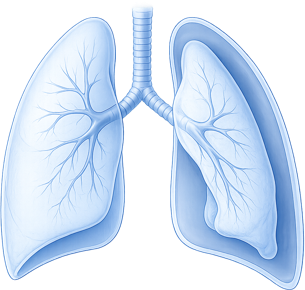
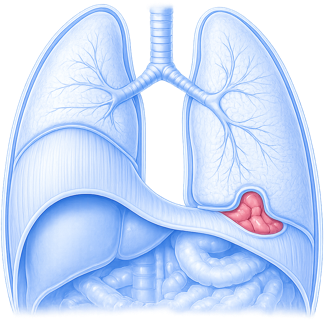
Diaphragm disorders can affect the movement, strength or structure of the diaphragm. If one side becomes weak or paralysed, it can sit higher than normal and move less effectively when you breathe, reducing the space available for the lung to expand. This can make you feel breathless, particularly during exercise or when lying flat.
Other problems include diaphragmatic hernias, where part of the abdominal contents passes through an abnormal opening or weakness in the diaphragm and into the chest.
Common symptoms
Symptoms can develop gradually and are sometimes difficult to explain, meaning some patients live with breathlessness for months or even years before discovering that treatment may be possible. Common symptoms include:
- Breathlessness when walking, climbing stairs or exercising
- Difficulty breathing when bending forward to tie shoelaces or put on socks, or when lying flat
- Reduced exercise tolerance or becoming tired more easily
- Breathlessness developing after previous chest or heart surgery, an injury or trauma, or damage to the nerve supplying the diaphragm
Treatment approach
Not everyone with a weak or paralysed diaphragm needs surgery. Your symptoms, breathing tests and scans are considered together to understand how much the diaphragm is affecting your breathing and whether an operation is likely to help.
For patients with troublesome breathlessness, diaphragm plication can restore the diaphragm to a lower, more stable position, creating more space for the lung to expand when you breathe. Mr Harrison usually performs this using minimally invasive robotic or VATS (keyhole) surgery through small incisions between the ribs.
The aim is to improve breathlessness and exercise capacity, making everyday activities such as walking, climbing stairs and bending forward easier. Improvement is often gradual as you recover from surgery and your breathing muscles adapt to the new position of the diaphragm.