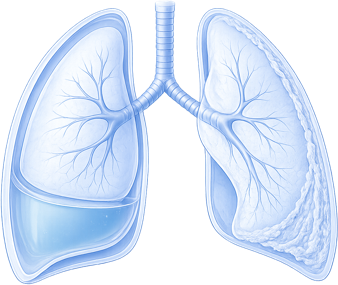
What it is
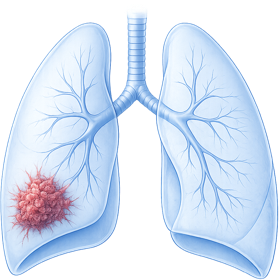
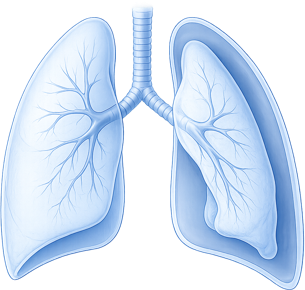
Pleural disease describes a range of conditions affecting the space around the lung. These include a build-up of fluid (pleural effusion), infection around the lung (empyema), thickening or scarring that prevents the lung from fully expanding (trapped lung), and tumours affecting the pleura. Finding the underlying cause is important, as these conditions are treated in different ways.
Common symptoms
Pleural conditions affect people differently. Some are found unexpectedly on a scan, while others cause symptoms as fluid or inflammation develops around the lung. Common symptoms include:
- Increasing breathlessness, sometimes developing gradually over days or weeks
- Sharp chest pain that is worse when taking a deep breath or coughing
- Cough or a feeling of pressure in the chest
- Fever, chills or feeling generally unwell when infection is present
Treatment approach
Your treatment will depend on what is causing the pleural problem and how it is affecting you. Fluid around the lung may simply need monitoring or drainage, while infection may require antibiotics and a chest drain. If the cause remains unclear, a pleural biopsy can help provide a definite diagnosis.
When surgery is needed, this can usually be performed using VATS (keyhole) techniques. During the same operation, fluid can be drained, biopsies taken and, when helpful, the lung encouraged to stick to the chest wall (pleurodesis) to reduce the chance of fluid building up again.