What it is
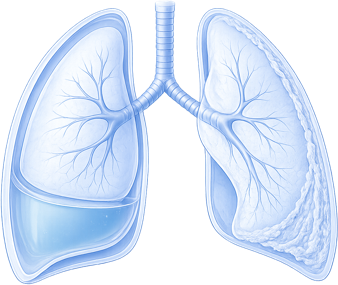
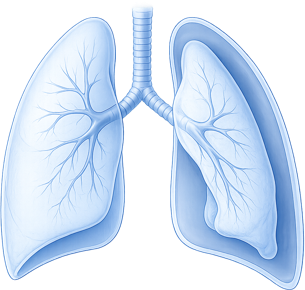
There are two main types of pneumothorax. A primary pneumothorax usually occurs in otherwise healthy people, particularly tall, slim young adults, and is often associated with small air-filled blisters (blebs) on the surface of the lung. A secondary pneumothorax occurs in people with an underlying lung condition, most commonly smoking-related lung disease such as emphysema.
Common symptoms
Symptoms often start suddenly and can vary depending on the size of the pneumothorax.
- Sudden, sharp chest pain, usually on one side
- Shortness of breath
- Chest tightness or discomfort
- Sometimes a dry cough
Treatment approach
A first pneumothorax can often be managed without surgery. Depending on its size and your symptoms, this may involve observation and repeat chest X-rays, or sometimes a chest drain to remove the air and allow the lung to re-expand.
Surgery may be recommended if your pneumothorax happens again, is very large, or if an air leak persists and the lung does not fully re-expand. It may also be advised after a first episode if another pneumothorax would carry particular risks, for example for pilots or some military personnel.
Surgery is usually performed using VATS (keyhole) techniques to remove any abnormal air-filled areas of lung (bullectomy) and encourage the lung to stick to the inside of the chest wall (pleurodesis). This substantially reduces the chance of another pneumothorax. Most patients go home within a few days and return to normal activities within a few weeks.