How robotic surgery works
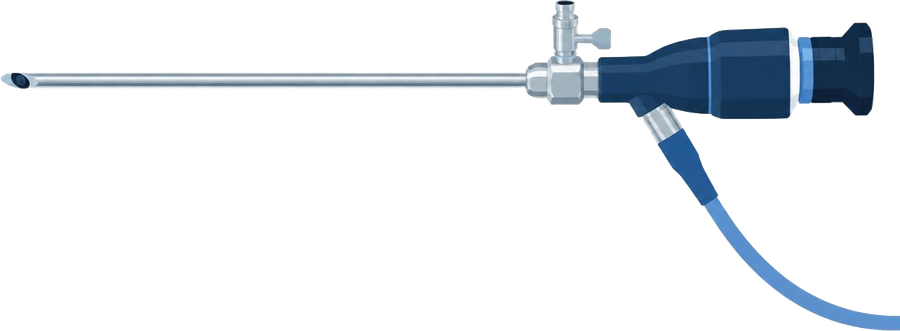
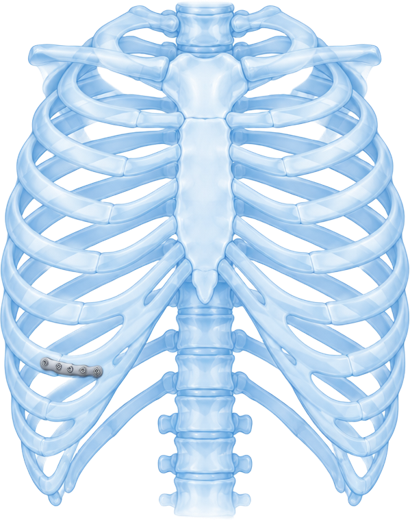
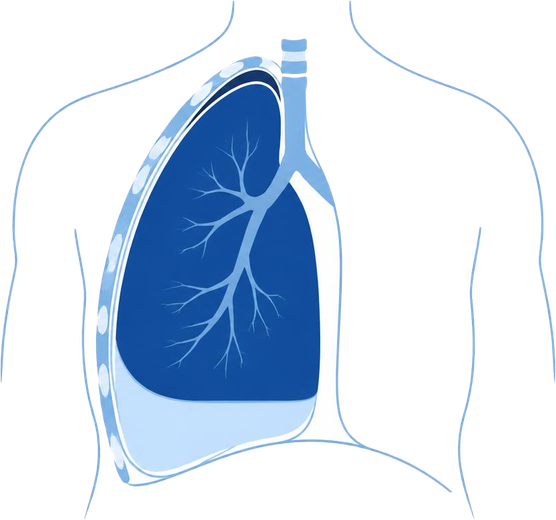
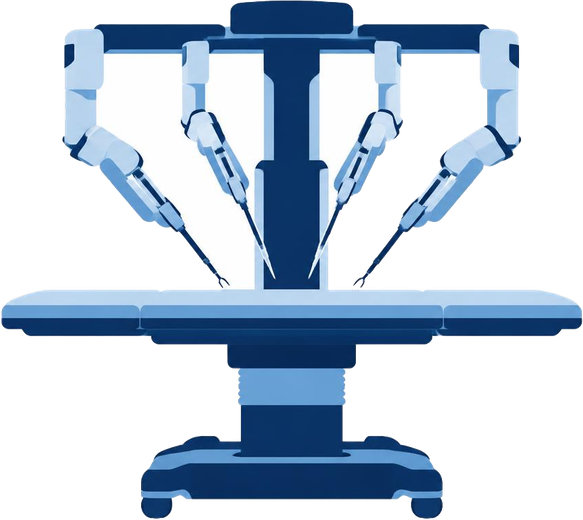
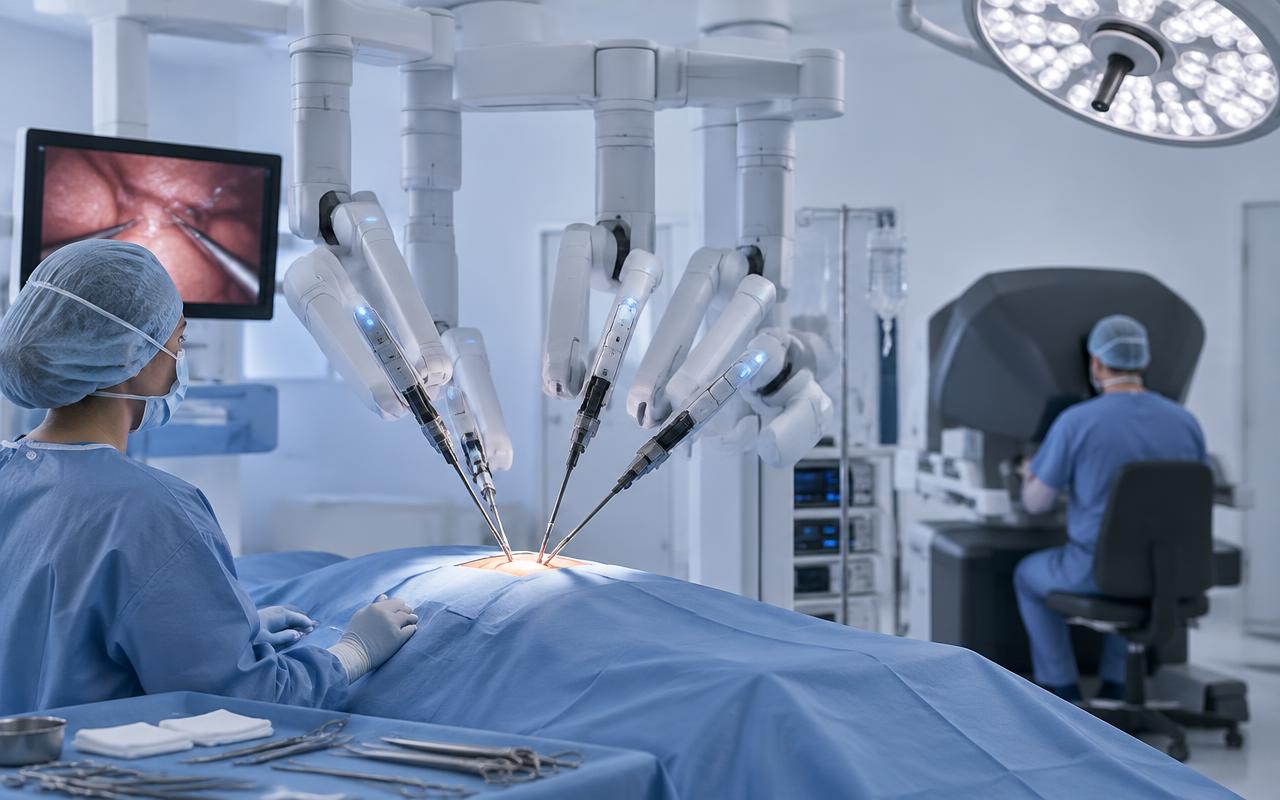
Once you are asleep under general anaesthetic, several small incisions are made between your ribs. Special ports are placed through these incisions, allowing the robotic instruments and camera to enter your chest. The robotic system is then connected, or ‘docked’, to these ports. Mr Harrison sits at a console in the operating theatre, where he controls every movement of the instruments. His surgical assistant and scrub team remain beside you throughout the operation.
The console provides a magnified, high-definition 3D view inside your chest. The robotic instruments have wrist-like joints that allow a greater range of movement than conventional keyhole instruments. This allows Mr Harrison to work with precision around delicate structures such as blood vessels, airways and lymph nodes. At the end of the operation, one of the small incisions may be enlarged slightly to allow the removed tissue to be taken out safely. The robotic instruments and ports are then removed, and the incisions are closed.
Operations performed robotically
Robotic surgery can be used for many thoracic operations, including:
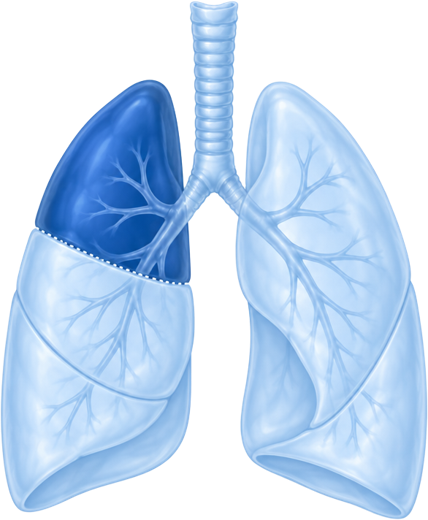
- Lobectomy and segmentectomy for lung cancer and lung nodules
- Thymectomy for thymoma and myasthenia gravis
- Removal of mediastinal tumours and cysts
- Diaphragm plication for a raised or weak diaphragm
- Lymph node sampling and complex resections
The benefits for you
Because robotic surgery is performed through small incisions without spreading the ribs, patients often experience less pain, spend less time in hospital and return to their normal activities sooner than after traditional open surgery.
The magnified 3D view and highly manoeuvrable instruments also allow careful dissection around delicate structures, including the removal and assessment of lymph nodes during lung cancer surgery.
Robotic surgery is not the best approach for every patient or every operation. Mr Harrison will discuss the options with you and recommend a robotic, VATS (keyhole) or open approach based on your condition and individual circumstances.
On the day and afterwards
Recovery depends on the operation you have had and your general health. Most patients are encouraged to get out of bed and start walking on the first day, with pain relief and breathing exercises helping you recover comfortably.
Many patients undergoing robotic lung surgery spend one to three nights in hospital and return to most everyday activities within two to four weeks, although more complex operations may require longer.
You will receive advice tailored to your operation before going home, including when you can return to driving, work and exercise.